+(243) 813 715 529
info@cnredd.medd.gouv.cdDemography
In the DRC, the prevalence rate of contraceptives was 5.4% in 2010, while the average in Sub-Saharan Africa, although low, stands at 17%. In the most advanced African countries, this rate varies between 30 and 50%. According to UNFPA, approximately 38% of health zones in the DRC offer family planning services..
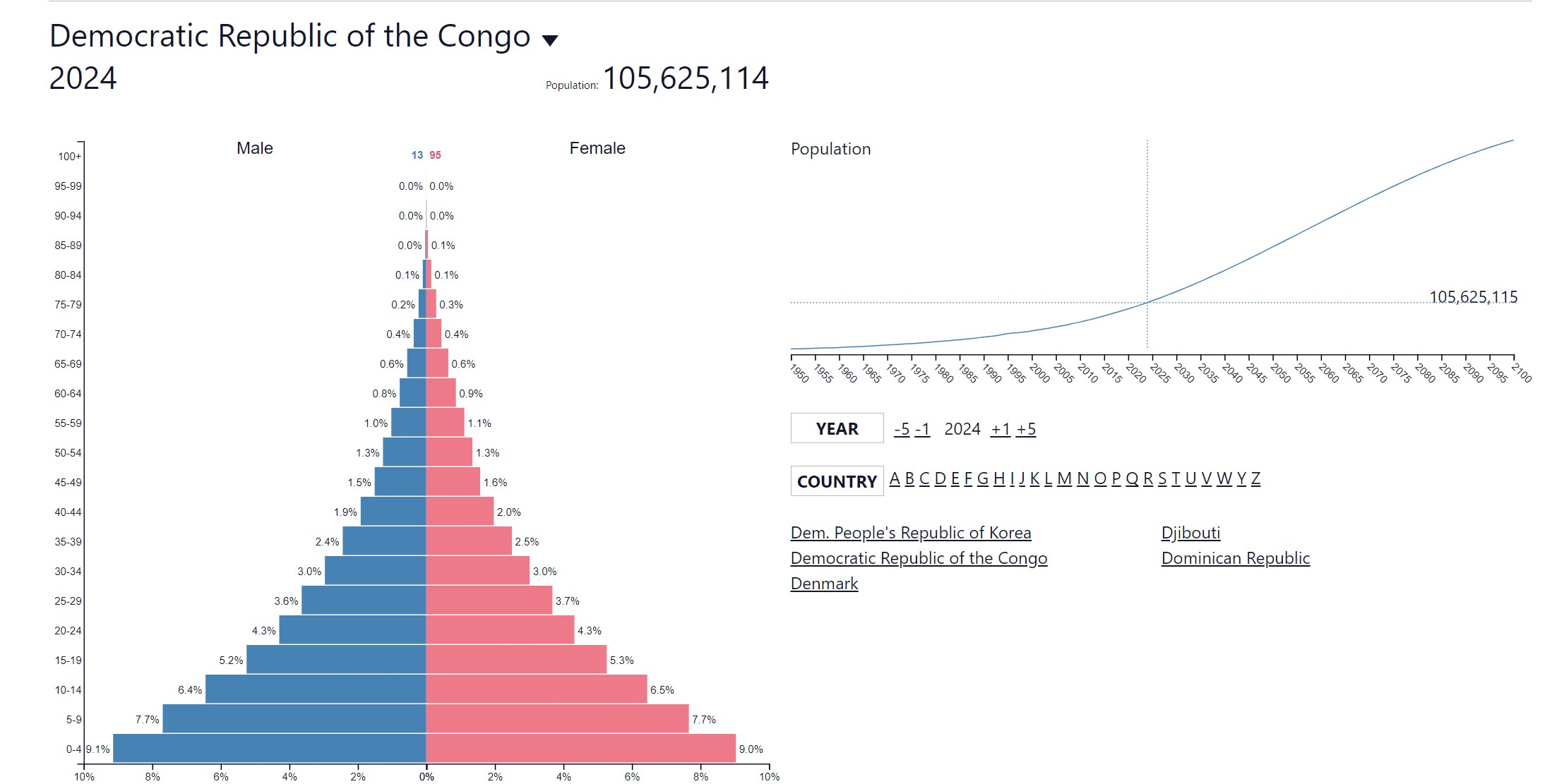
But beyond the use of contraceptives, education remains a factor both in regulating demographic dynamics and in the country's development.

This situation also poses enormous problems in terms of preserving the environment and natural resources, especially for forest ecosystems.
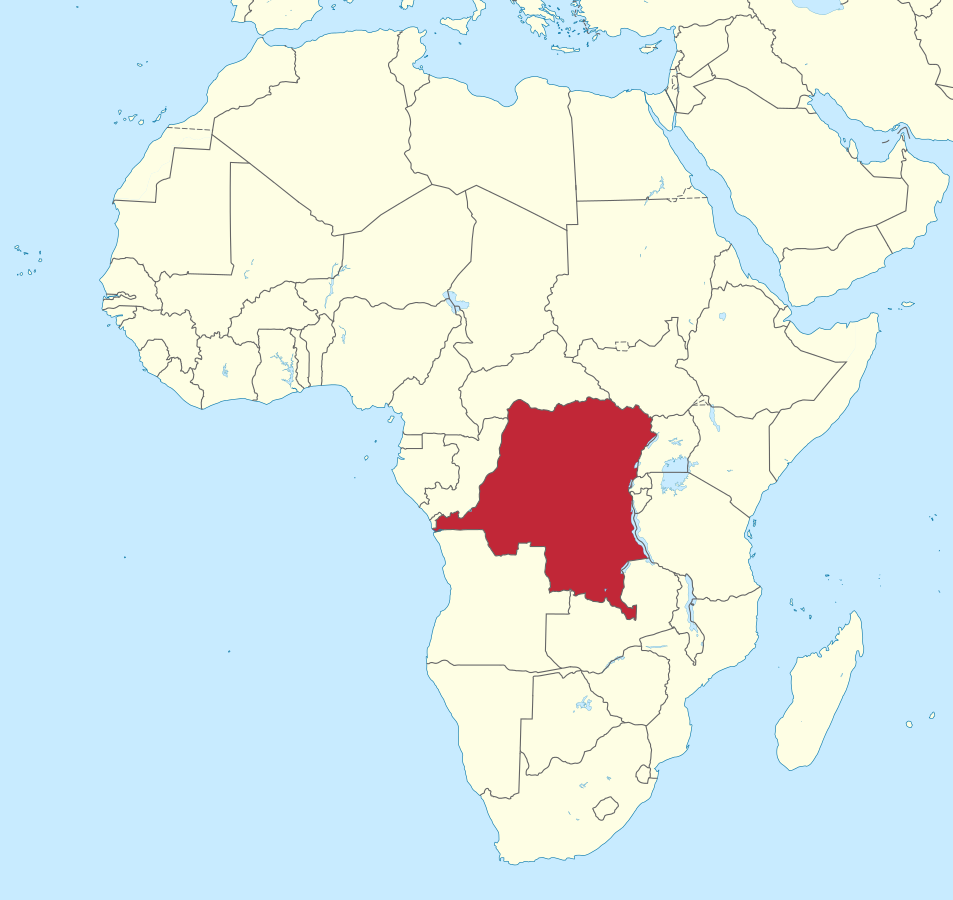
Population growth has been identified as the main underlying cause of deforestation and forest degradation in the DRC, followed by poverty (which is also correlated with it, as mentioned above). It is therefore essential to make population growth control a pillar of the national REDD+ strategy, as well as the national development strategy.
Questions? We have answers!